
Programmatic advertising is the automated buying and selling of digital ad space through software, instead of people negotiating deals directly. Agency practitioners and enterprise brand media teams use it to buy across websites, apps, streaming services, and digital billboards at once, with each purchase decided in milliseconds. This guide explains programmatic advertising, including which ad formats you can buy programmatically and where AI agents fit in.
---
Historically, ad space (both print and early digital) was bought and sold the old-fashioned way. An advertiser or agency would call a publisher, negotiate a price, and sign the paperwork for a fixed ad placement, whether it was a digital newspaper banner or a billboard. It was a lot of back and forth.
Enter: programmatic, which replaced that whole process with software. Now, advertisers use software to evaluate and buy ad space automatically in real time. Bidding and purchasing ad space happens in milliseconds, at a speed and scale that’s pretty much impossible for humans to replicate. Plus, programmatic ads cover almost any digital or connected environment: websites, mobile apps, kiosks, digital billboards…way beyond the days of working with individual sellers to buy ad space.
The next chapter of programmatic is being determined by who’s running it and how it’s managed. AI agents, the agencies and brands that govern them, and multi-DSP systems will all play a role in shaping what programmatic looks like in the coming years. To see where programmatic is headed, it helps to start with how it works.
How does programmatic advertising work when a single ad loads?
Every time an ad spot loads on a website, an automated auction activates to determine which ad appears, what it costs, its placement, and who specifically sees it. Advertisers and agencies place bids through a demand-side platform (DSP) to automatically buy digital ad inventory in real time. Multiple DSPs connect to supply-side platforms (SSPs), which is how publishers offer their ad space to bidding advertisers.
Two things make real-time bidding possible: automation and data. Automation software transacts bidding deals in real time, informed by data to determine which ad to show to which person. Rather than hope that the right person sees an ad, as is often the case with print media, buyers use data to ensure the most relevant ad is served to consumers.
Let’s say you’re on a website and you see a spot in the middle of the page. An auction determines what ad appears in that space. As soon as the page starts loading, the bid request leaves the publisher’s page and fans out through exchanges to DSPs.
The bidding process is wildly complex, too. Just one programmatic ad auction processes geolocation data and device types, accounts for browser histories, identifies consumers via cookie syncing, filters for brand safety, considers dynamic creative optimization (DCO), and internal publisher pricing floors…and all of this takes place in milliseconds as the webpage loads, repeating across billions of queries per day.
Now, consider that a website can run anywhere from three to 20 ads, depending on whether it’s a news website, for example, or an ad-heavy “made for advertising” site with lazy loading. It only makes the scale of programmatic bidding even more impressive.
How is programmatic advertising different from buying in Google Ads or Meta Ads Manager?
Google Ads, Meta Ads, and programmatic advertising all run auctions. The difference is who controls the supply. Google and Meta can extend ads beyond their own properties through the Google Display Network and Meta Audience Network, but the platform largely supplies that inventory itself. Programmatic advertising uses a DSP to bid across thousands of independent publishers and exchanges at once. Buyers get more visibility into where their ads run and what they pay.
Programmatic is, for the most part, an open marketplace with many publishers. That means one campaign can span websites, apps, streaming services, and digital billboards from many sellers. A DSP also gives buyers more to work with. You can compare prices for the same inventory across networks, see clearer fee breakdowns, and use third-party brand safety and measurement providers to control exactly where ads appear. After all, an independent DSP has no reason to favor one seller’s inventory.
Google also operates its own DSP (DV360), so a Google buy can run either way. Google Ads buys inside Google’s network, and DV360 buys across many exchanges, though it also sells Google’s own inventory, such as YouTube. Some inventory also stays inside a single company’s platforms. For instance, YouTube ads can only be bought through Google.
It all comes down to the type of platform you’re buying through: a walled garden sells primarily its own inventory, and a DSP buys across many sellers with more neutrality and transparency.
What ad formats can be bought programmatically?
You can buy six ad formats programmatically: display, video, connected TV (CTV), audio, digital out-of-home (DOOH), and native.
Have you ever had a friend or family member say, “Hey, I saw your company’s ad while watching ESPN on Disney+!”? The reason is programmatic advertising. The ad isn’t really running on ESPN; it’s served via CTV on ESPN’s streaming app.
Here’s a look at each programmatic ad type, where it runs, and an example of what it looks like in the wild:
Six advertising formats that can be bought programmatically
Essentially, anywhere there’s an Internet connection—your phone, TV, airport billboards, basically all over—there’s a programmatic ad type that can be served.
How can automation help with programmatic advertising, and what do people manage?
Automation helps with programmatic advertising by managing the purchasing transactions between buyers and sellers, which reduces human error and admin work while saving teams time. People manage most of the account-level work above and around programmatic purchasing. This includes building the account, campaign, and creative; setting budgets; and selecting audience targeting parameters.
Under traditional advertising operations, your human teams repeat manual setup and management workflows on every platform where you’re running ads. In the case of programmatic, all the upfront targeting, creative, and budgeting work takes place before programmatic automation rules can run. These manual, account-level tasks slow teams down across every aspect of AdOps.
But if teams run their AdOps through a system designed for multichannel campaign management, they can use agentic automation workflows to build, launch, and manage programmatic campaigns across thousands of websites and apps at once. They can also manage other channels, like search and social, from the same system.
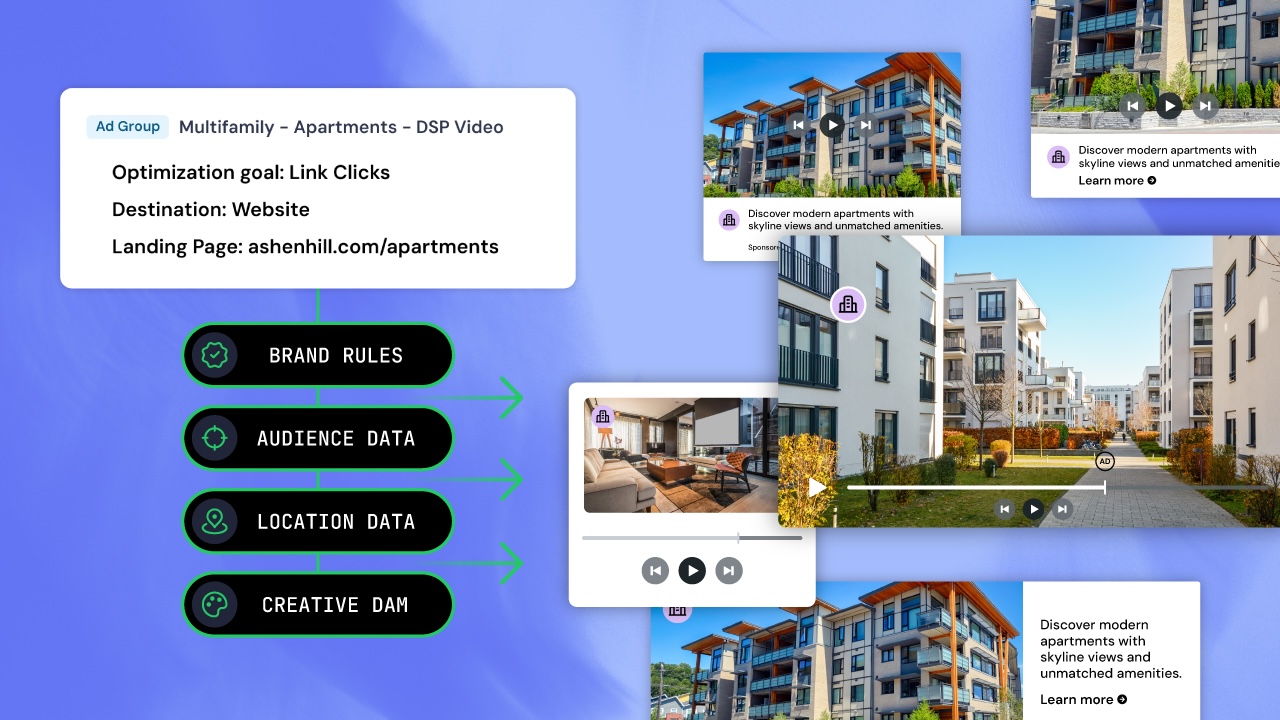
For example, an Agentic Advertising Operating System (AAOS), like Fluency, works at the account management level, above the programmatic actions. Real-time bidding stays within the DSPs, but the hefty setup work to run campaigns across multiple DSPs can be executed by agentic workflows.
The role that AI agents play in the future of programmatic advertising
AI agents play two separate roles in programmatic advertising: transacting bids and campaign/account workflow execution.
AI agents for programmatic bidding
Industry efforts, like AAMP (the Agentic Advertising Management Protocols), are working to define how AI agents operate inside real-time programmatic bidding environments. AAMP aims to solve the gap between LLM response times and the real-time demands of programmatic media buying through its Agentic Real-Time Framework (ARTF).
Remember that each connection point in the programmatic chain (DSPs, exchanges, SSPs) has to respond within milliseconds. That’s simply not enough time for an agent to call out to a remote LLM. ARTF deploys agents as containers inside the host platform’s own infrastructure, so they can act on bid requests in real time without leaving the platform.
AAMP also covers the deal-making around the auction. It defines how buyer and seller agents negotiate and execute programmatic guaranteed deals, preferred deals, and private marketplaces, and its latest release extends that to media planning.
AI agents for account management across multiple DSPs
The other way agents play into programmatic advertising is by executing account-level work sitting above programmatic auctions. These workflows include setting up multi-DSP campaigns in one place, dynamically adjusting and pacing budgets, or autonomously building multichannel reports.
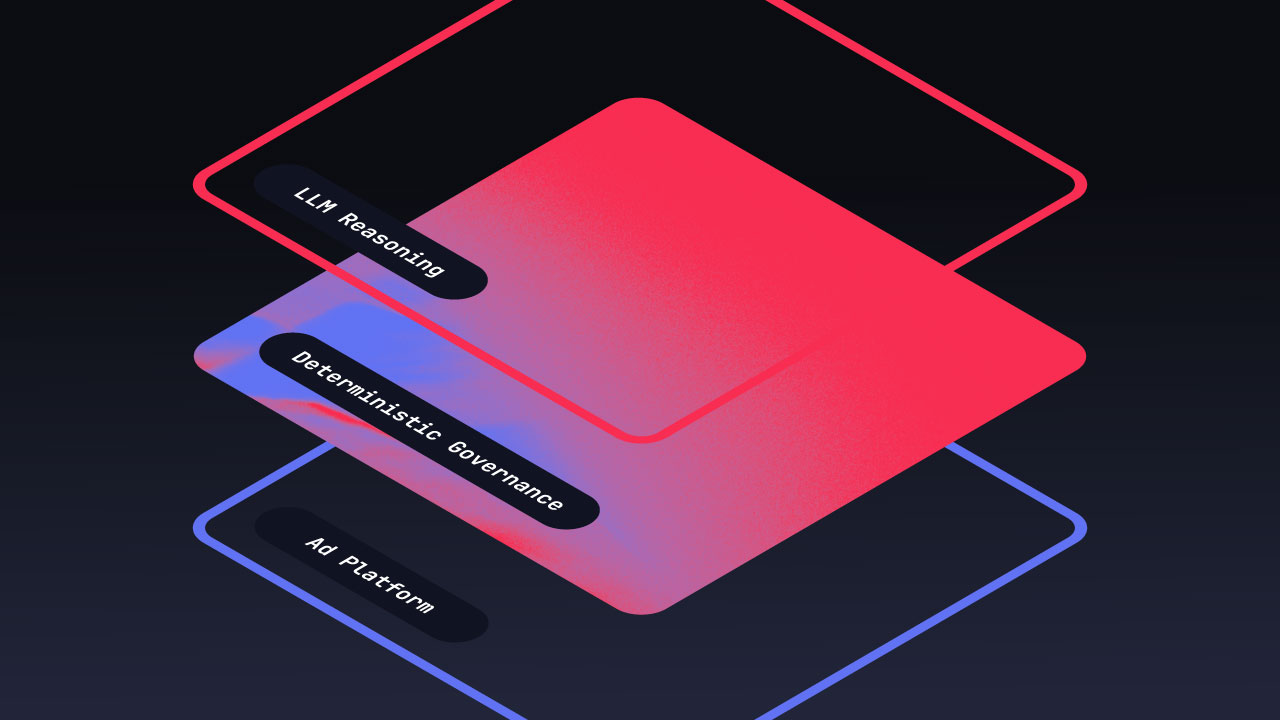
A system like Fluency also enables you to encode governance that enforces strict rules on every agent action before any changes or instructions hit an ad platform. Governance can include hard-coded business rules, such as minimum prices and advertiser category exclusions, that LLM-generated recommendations cannot override.
What’s next for programmatic advertising?
Programmatic advertising is always expanding, and the introduction of AI agents into programmatic workflows is accelerating this rate of change.
Already, agents can handle account-level setup, budget pacing, and multichannel reporting across multiple DSPs, all under one set of governance rules that people set. As you add more DSPs to your stack, agents can play a larger role in how your AdOps teams manage everything above the auction. If you’re running more than one DSP, our article on agentic programmatic advertising for multiple DSP management shows how agents help you streamline setup, governance, and reporting work in practice.
We anticipate more advertisers will need a reliable way to govern those agents safely across every DSP and channel, which is why governance is at the heart of our AAOS. Real-time bidding will keep running inside the DSPs, and agents will take on more work above the auction. Curious what governance looks like for agentic advertising? Start with our 4-step framework for safely scaling agentic automation in advertising.
Frequently asked questions
What does programmatic advertising mean in simple terms?
Programmatic advertising means software buys and sells digital ad space automatically, in real time, instead of relying on people to negotiate each deal. If you’ve ever been served an ad that feels relevant to something you were just looking at, that’s programmatic targeting at work, whether it appears on a website, a streaming service, or a digital billboard.
What is the difference between a DSP and an SSP?
A DSP, or demand-side platform, is software that advertisers and agencies use to buy digital ad inventory automatically in real time. An SSP, or supply-side platform, is software used by publishers to manage and sell their ad space. SSPs connect publishers to many DSPs at once. Amazon Ads Agent, The Trade Desk, and DV360 are examples of DSPs. Magnite and PubMatic are examples of SSPs.
Is programmatic advertising the same as display advertising?
Programmatic is a way to buy ads, with “display” being one of six different ad formats that can be bought programmatically. Display ads are the banners and images on a web page. Video, connected TV (CTV), audio, digital out-of-home (DOOH), and native ads can all be bought programmatically, too. In other words, all these ad formats can be bought via the same automated, real-time buying—aka programmatic buying.
How do agencies manage programmatic campaigns across more than one DSP?
Agencies either work in each DSP’s own interface or use a platform that sets up and governs campaigns across DSPs from one place. Fluency takes the second approach. Fluency automates account-level setup and management and applies one set of rules across platforms, so a team does not rebuild the same campaign by hand in each DSP.
Will AI agents replace real-time bidding in programmatic advertising?
No. Every connection point in a programmatic transaction has to respond within milliseconds, which leaves no time to call a remote LLM, so the auction keeps running on purpose-built infrastructure.
That said, agents are taking on more of the work around the auction. IAB Tech Lab’s AAMP standards let buyer and seller agents negotiate and execute programmatic deals, including programmatic guaranteed deals, preferred deals, and private marketplaces, and the latest release extends that to media planning.
AAMP’s Agentic Real-Time Framework (ARTF) also deploys agents as containers within a DSP or SSP to handle bid request tasks like identity resolution and fraud detection. Agents can also work above the auction, turning plain-language goals into campaign instructions and operating within governance rules that people set.
Related Posts
Agentic Programmatic Advertising for Multi-DSP Execution and Governance