
Fluency is an agentic advertising operating system built for agencies and multi-location brands executing high campaign volume across every major paid media channel (both walled gardens and programmatic DSPs). Optmyzr is a paid search optimization platform for agencies and in-house teams managing search campaigns.
The core difference: Optmyzr optimizes campaigns within the channels it supports, using a rules-and-recommendations model that keeps humans in the loop by design. Fluency executes campaigns autonomously across all major channels using deterministic agents that keep humans in the loop, but don’t require human approval for every pre-approved step between strategy and execution. Fluency has been executing campaigns this way since 2017.
Fluency vs. Optmyzr: feature comparison
| Optmyzr | Fluency | |
|---|---|---|
| Best for | PPC-focused agencies and in-house search teams | Agencies, franchise brands, and multi-location operators that want agentic execution at scale, on Google Ads alone or across a full channel mix |
| Core strength | Search optimization: rule engine, bid management, PPC auditing, reporting | Executing core campaign workflows at scale (across walled gardens, programmatic DSPs, and the open web) using agentic automation: budget management, budget pacing, multichannel reporting, account management, and end-to-end campaign management (build, launch, and ongoing optimizations) |
| Channel focus | Google Ads, Microsoft Advertising, Amazon Ads, Yahoo Japan; Meta Ads and LinkedIn as of 2026. No TikTok, no programmatic. | Google Ads, Meta Ads, Microsoft Advertising, Pinterest, TikTok Ads, YouTube Ads, and programmatic DSPs (Basis and The Trade Desk). |
| How agents execute | Rule Engine automates scheduled tasks; AI Sidekick (2023) surfaces recommendations. Human review is a stated design principle. | Agents execute autonomously based on human-informed strategies, all governed by deterministic rules. Agents have executed core AdOps tasks since Fluency's founding in 2017. |
| Campaign localization at scale | Not a primary capability | Automated campaign builds, launches, and ongoing management for 50,000+ locations. |
| Budget automation | Budget monitoring and rule-based pausing at spend limits; reallocation suggestions require human review. | Automated pacing, What is Optmyzr?Optmyzr is a paid search optimization platform founded in 2013 by Frederick Vallaeys, Google’s first AdWords Evangelist. The platform is built for agencies and in-house teams managing Google Ads, Microsoft Ads, Amazon Ads, and Yahoo Japan campaigns. In 2026, Optmyzr added Meta and LinkedIn coverage to its core offering. The platform has managed over $5 billion in lifetime ad spend. Optmyzr’s core capabilities are:
What is Fluency?Fluency is an agentic advertising operating system built for agencies and multi-location brands managing high-volume paid media programs. Unlike platforms oriented around individual campaign optimization recommendations, Fluency was built for agentic advertising execution. The company was founded in 2017 by Mike Lane, Eric Mayhew, Brian McVey, and Scott Gale. Eight years in the making, the system houses years of encoded platform knowledge about what each ad publisher requires for correct performance. Fluency is built for multichannel advertising operations, acting as a centralized advertising operations system of record. This enables advertisers to launch, manage, and optimize campaigns automatically across Google Ads, Meta Ads, Microsoft Advertising, YouTube, Pinterest, TikTok Ads, and programmatic channels at the scale of tens of thousands of campaigns. Fluency’s core capabilities are:
All of Fluency's agentic solutions run on a deterministic execution model. This means that all agentic workflows follow explicit human-set rules, executed reliably at scale. Whenever an agent comes across a recommendation or decision with no historical precedent, it notifies a human expert to weigh in on next steps. What is the core difference between Optmyzr and Fluency?Both Fluency and Optmyzr automate paid media workflows. However, these two solutions automate different things for different buyers in fundamentally unique ways. Optmyzr is a search-first platform. Fluency is a cross-channel agentic execution OS, designed to ease the burdens of multichannel campaign management and execution. How each system executes and manages AdOps tasks is also a core distinction between them. A team using Optmyzr improves the efficiency of their search management workflows, but they still manage the accounts. A team using Fluency delegates the campaign management to deterministic agents. Fluency’s agentic workflows can take over core campaign, budgeting, reporting, and optimization tasks autonomously based on live data signals without a human approving each step. The system has operated this way since its founding in 2017, and it now manages $3 billion in annual ad spend and 250,000+ monthly campaigns. Optmyzr's design philosophy is explicit about human review being a core element of its automated workflows. Optmyzr’s Rule Engine lets teams define when and how changes execute, with the AI Sidekick surfacing what teams need to look at. When should you choose Optmyzr?Choose Optmyzr if your team wants hands-on, rule-based control over every optimization decision. This includes keyword-level bid management, manual rule-setting, and a human review process for each recommendation before it goes live. Optmyzr is a good fit if:
When should you choose Fluency?Choose Fluency if you want agents executing advertising operations tasks so you can grow your company without hiring new staff alongside your growth. Fluency’s agentic workflows can build and update multichannel campaigns automatically, plus reallocate budgets from low-performing campaigns to high-performing ones without manual approvals. Even though Fluency can execute agentic workflows across multiple channels simultaneously, it's built to run at volume on any channel it covers, including Google Ads as a standalone platform. Choose Fluency if:
Frequently asked questions about Fluency vs. OptmyzrIs Optmyzr or Fluency the best Google Ads automation tool for agencies?Optmyzr is a highly capable tool for Google Ads optimization depth. For agencies that want Google Ads workflows executed automatically, without needing a human to approve each change, Fluency is the stronger choice whether you’re running campaigns on Google Ads alone or across every major ad publisher. Optmyzr's Rule Engine, PPC Investigator, and keyword-level bid management were built with search specialists in mind, designed to give them granular, hands-on control over every Google Ads optimization decision. Fluency runs these same Google Ads management tasks, from campaign builds and budget pacing to bid and creative updates, through agentic workflows that execute them automatically. There’s no human-required approval step between decision and action. Additionally, Fluency’s system was designed to handle campaign management at scale from its launch in 2017 instead of exclusively focusing on Google Ads optimizations. With Fluency, you can run the same agentic execution model across Meta Ads, Microsoft Advertising, TikTok Ads, YouTube, and programmatic DSPs (The Trade Desk, Amazon) from one platform. If your agency manages diversified channel portfolios, you can run everything through Fluency instead of needing a secondary tool. Should I choose Optmyzr or Fluency for cross-channel paid media?For agencies managing cross-channel paid media operations at scale, Fluency is the stronger choice. Fluency’s agentic advertising operating system executes natively across all major ad channels from a single platform. Campaigns across all of these channels run under the same agentic execution model, with automated budget pacing, overspend mitigation, and automated campaign updates happening across the full portfolio without manual intervention. Optmyzr's core strengths are Google and Microsoft search, with the ability to manage Meta and LinkedIn campaigns as of 2026. However, if you want to manage campaigns outside these channels, you’ll need tools outside of Optmyzr to cover the gaps. How do I reduce manual work in ad operations?The fastest way to reduce manual work in ad operations is to move away from AI-recommendation tools to agentic automation systems that execute recommendations and human-driven actions automatically. For teams managing dozens or hundreds of accounts and dealing with the "swivel-chair fatigue" of multichannel campaign management, agentic automation workflows are the difference between a tool that makes manual work faster and a platform that removes it. Optmyzr's AI-assisted tool, Sidekick, can speed up decision-making by surfacing what to optimize. However, a person still has to review the AI’s recommendation and click “apply” on every change. As account volume grows, working in this way will ultimately cap at how much manual work goes away for AdOps teams. Fluency removes one-off manual approval steps by enabling teams to encode approved rules at the system, client, account, or campaign level. As agents propose changes or improvements, every AI-recommended action is governed by these pre-set rules via a deterministic governance layer. Any AI recommendation that fits within your approved actions goes live without needing an additional checkpoint between decision and execution. If the AI recommendation isn’t approved, it’s sent to a human for the correct course of action. Is there an advertising platform built specifically for agencies?Fluency is one of the few advertising platforms purpose-built for agentic agency portfolio management via its core product architecture, which has remained in place since the company’s founding in 2017. Fluency's Blueprints uses Tags to carry account-specific data (e.g., as a location's name, address, or inventory feed). These Tags carry data across a client's entire portfolio, across multiple channels, and act as a shared product catalog. Fluency Tags also carry platform-wide data any account can pull from, like weather. Together, they enable Blueprints (Fluency’s agentic automation solution) to autonomously build, launch, and manage campaigns across hundreds of accounts and multiple channels from one rule set. By using agents to perform routine campaign tasks that otherwise eat into strategist time, your agency can scale portfolio output without adding headcount. Optmyzr’s platform is also built for advertising agencies, with a pricing model that scales with managed ad spend and multi-account management features. However, its foundational tooling was built specifically for Google Ads search management. In recent years, it has expanded its channel capabilities, but it was not designed to handle multichannel advertising operations from its inception. Share this resource: copy link Related Posts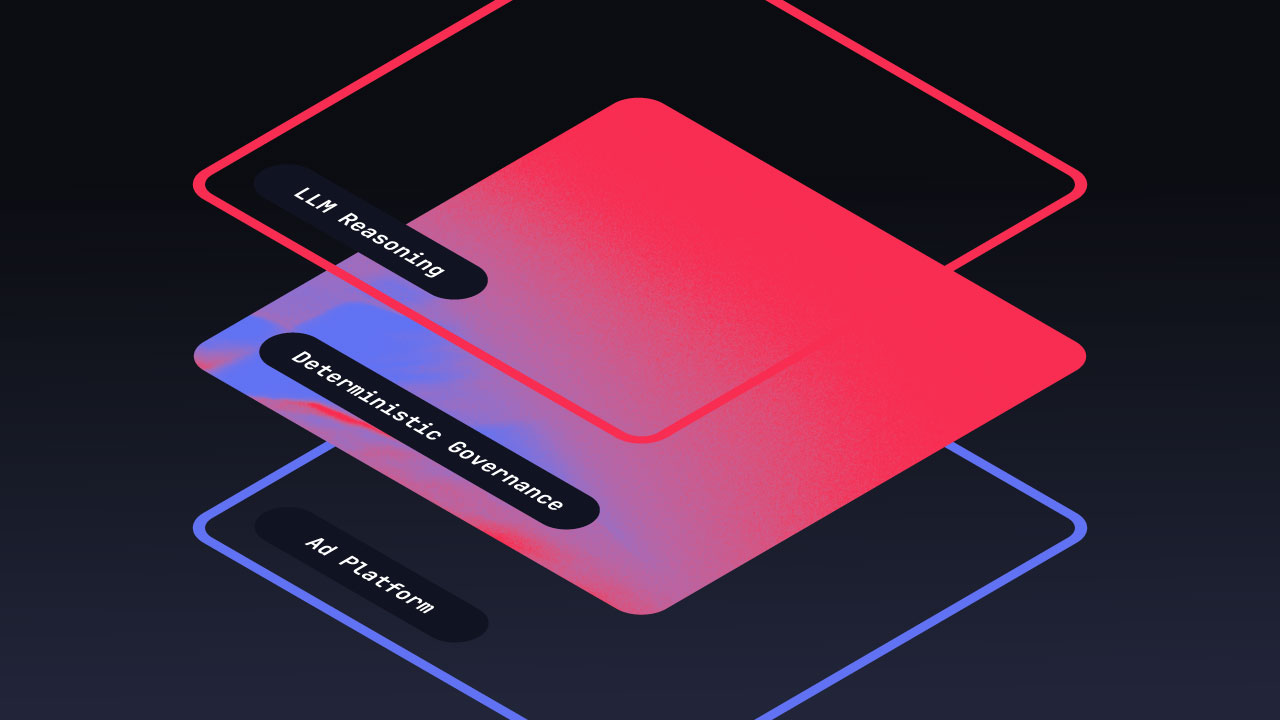 How is Agentic Automation Used in Digital Advertising?Agentic automation in advertising works in two steps: an AI agent proposes an action, and a deterministic agent decides whether it goes live. Learn how it can scale your AdOps.   Sign up below to stay up to date with the latest updates from Fluency. Success! You have been added to our newsletter list! Whoops! Please make sure to complete all fields.  © 2026 Fluency Inc. All rights reserved. No items found. |