How Amazon Ads Agent Fits A Multichannel Strategy: Audiences and Open-Web Reach
See how agencies and in-house teams use Amazon Ads Agent (Amazon DSP) in multichannel paid media plans, reaching Amazon audiences on the open web.
Published on
November 3, 2026
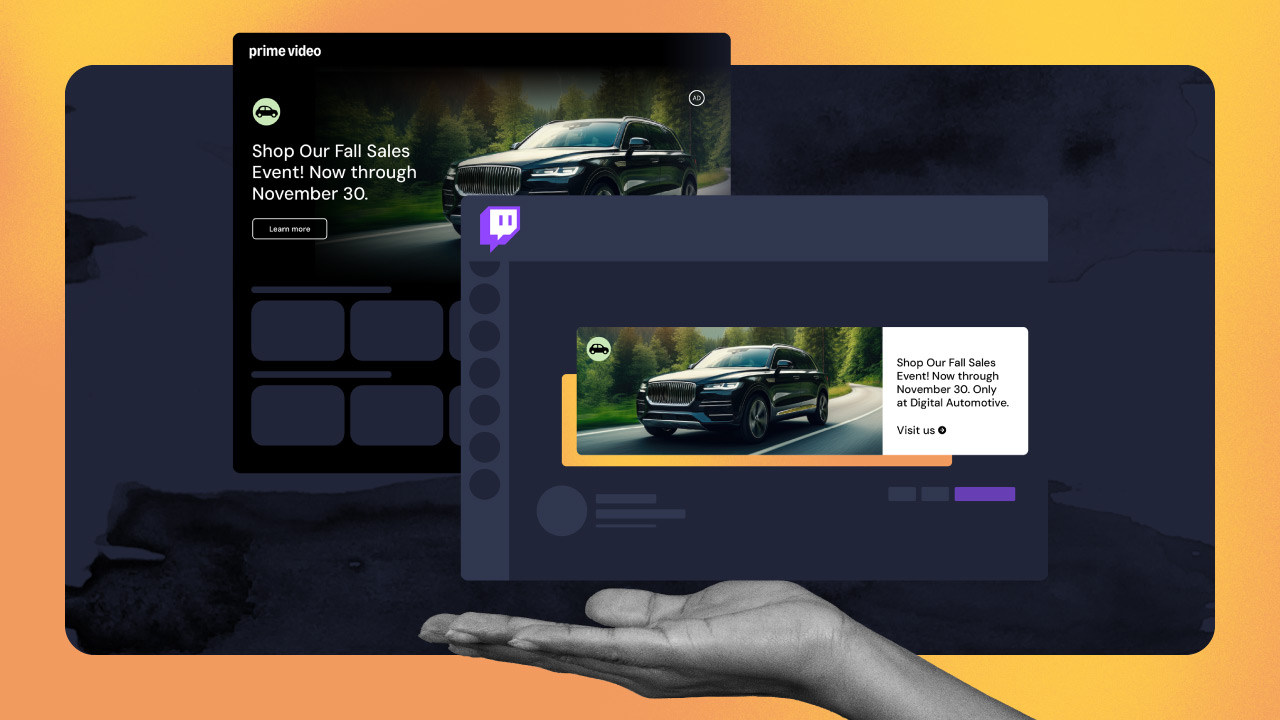

Amazon Ads Agent (formerly Amazon DSP) buys two kinds of ad supply: Amazon-owned properties (e.g., Prime Video, Thursday Night Football, Twitch, Fire TV, and Amazon.com) and thousands of third-party sites and apps across the open web. While many advertising teams still treat it as a tool for Amazon placements only, you can use Amazon Ads Agent to run open-web programmatic campaigns with Amazon’s audience signals behind it.
---
In September 2026, Amazon combined its Amazon DSP and sponsored ads tools into one platform: Amazon Ads Agent. Amazon Ads Agent is Amazon’s unified advertising platform for all its ad types.
With Amazon Ads Agent, you can buy both on the open web and Amazon-owned properties (e.g., Prime Video, Thursday Night Football, Twitch, Fire TV, Amazon.com, etc.). Fluency’s closed beta integration with Amazon Ads Agent enables you to make the most of Amazon Ads Agent’s audience data and programmatic reach through a single system to build, launch, manage, and report on multichannel campaigns.
But what does this news mean if you don’t sell products on Amazon? Even non-endemic advertisers can use Amazon’s valuable audiences and premium inventory to reach in-market shoppers across streaming TV, online video, display, and audio, wherever they watch and browse.
This article covers what Amazon Ads Agent is, how it fits into a multichannel strategy (even if you don’t sell products on Amazon), and how Fluency lets you manage Amazon Ads Agent alongside your other channels from one agentic platform.
How advertisers who don’t sell on Amazon use Amazon Ads Agent
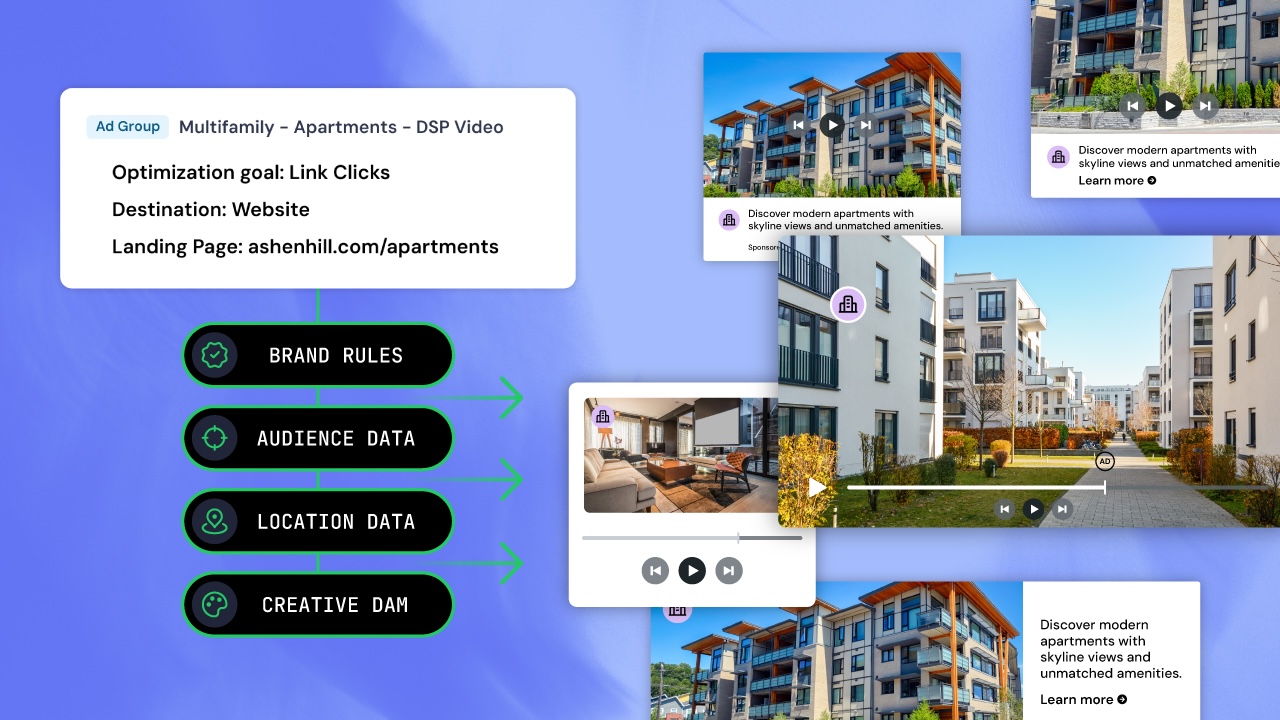
Even advertisers who sell outside Amazon’s ecommerce platform can use Amazon Ads Agent (which now includes Amazon DSP) to target buyers using Amazon’s audience data both on Amazon-owned properties and the open web. For example, automotive, home services, and real estate advertisers can use detailed Amazon audience signals to buy multiple programmatic ad types where consumers shop, watch, and browse, including outside Amazon’s store.
By leveraging Amazon’s valuable audiences across thousands of premium third-party sites and apps, you can reach shoppers even if you’re not selling on Amazon’s store. Fluency’s Amazon Ads Agent integration lets you do all of this from one consolidated platform, alongside your other channels.
Amazon Ads Agent reaches the open web as well as Amazon properties
While Amazon Ads Agent enables you to buy within Amazon’s owned properties, one of its most versatile benefits is that you can also buy ad space across the open web while incorporating Amazon’s audience signals.
There’s a wide breadth of options available, too. For example, display, video, and connected TV (CTV) are all covered within Fluency’s integration with Amazon Ads Agent.
This is immensely valuable if you’re trying to extend your programmatic campaign reach without adding more manual work for teams. Within Fluency, you can run a CTV placement on Prime Video and a display placement on a publisher site from the same campaign build workflow instead of having to do it multiple times for each programmatic ad type.
Best of all, these campaigns draw from Amazon’s audience data, which extends some of the most coveted audience data on the web to advertisers who don’t sell on Amazon.
How to advertise on Amazon, then retarget across the open web
Amazon Ads Agent treats Amazon-owned properties and the open web as one buying path. You can advertise on Amazon placements, then run follow-up campaigns to engaged consumers via third-party sites and apps across the web.
What makes Amazon Ads Agent so valuable is that Amazon’s audience signals stay attached to the audience in both places. A single audience can see a CTV ad on Prime Video, then see display or video creative on a publisher site later in the week. Your team can plan this campaign sequence once without requiring a second DSP to extend the campaign past Amazon’s owned properties.
In Fluency, both parts of the campaign path are built within the same agentic-run campaign workflow. The system ensures the same naming conventions and budget logic applied to other channels (search, social, other programmatic DSPs) carries over to your Amazon Ads Agent campaigns. You can also view and run multichannel reports for your Amazon placements, open-web programmatic follow-up campaigns, and all other major ad channels in one system.
The benefits of using Amazon Ads Agent as a non-Amazon seller
Whether you’re at an agency or work for an in-house brand, you can use Amazon Ads Agent to tap into Amazon’s expansive audience data to reach active in-market shoppers, even if you’re advertising products or services that aren’t sold on Amazon. Access to Amazon’s audience data via Amazon Ads Agent means you can put your ads in front of audiences built on Amazon’s purchase behavior data across third-party websites.
Here are some examples of this for different industries:
Automotive: follow shoppers from CTV streaming to a dealer’s inventory
One of your clients, a regional dealer group, wants to target car shoppers searching for a new SUV. You build the audience from Amazon’s signals for in-market vehicle shoppers. You use a Fluency Blueprint to set up a regional CTV campaign on Prime Video and Thursday Night Football.
From there, a display and video campaign reaches the same audiences on various third-party publisher sites, with creative promoting real-time inventory at the closest dealership. Fluency’s dealer-network logic, such as inventory triggers, vehicle-level targeting, and geo-fencing, carries over to the Amazon campaign. Because both campaigns run in Fluency with cross-DSP reporting, you can see how CTV exposure and display follow-up perform alongside your other channels.
Real estate: reach likely movers before they start searching listings
Your in-house strategists are tasked with promoting upcoming listings within your real estate brokerage company to prospective movers. Amazon’s audience data can surface shoppers who are buying items to furnish or organize their home, which can signal a move is happening soon.
Using this audience data, your team runs a display and video campaign on the open web, driving visits to listing pages. They build separate campaigns by price tier, with each ad spot promoting local listings within a specific price range. Performance reporting for every tier lives within Fluency, making it easy to understand which price tiers drive the most visits to listing pages.
Home services: build brand familiarity before peak season starts
An HVAC client wants to target homeowners shopping for home improvement services in the weeks before peak season. In Fluency, your team builds a target set from Amazon audiences for homeowners shopping for home improvement services or AC repair parts.
Your team builds out the right campaign parameters using Fluency Blueprints, sets the creative and budget, and launches. The campaign runs across streaming TV, online video, and display on both Amazon properties and the open web, ensuring the offer follows prospects across streaming and browsing.
How to run Amazon Ads Agent campaigns alongside other channels
Fluency’s Amazon Ads Agent integration (currently in beta) enables you to build, launch, manage, and report on your programmatic Amazon Ads Agent campaigns alongside your other search, social, and programmatic channels—all from within the same system.
Using agentic automation workflows, your team can set naming conventions, budget logic, and audience parameters in one place, then push the right settings out to all major ad channels at once.
Let’s say your agency runs search, social, and programmatic campaigns for a regional automotive dealership client. The client wants to start incorporating CTV campaigns on Thursday Night Football into its strategy. Using Fluency, your team can build an Amazon Ads Agent Blueprint with the dealership’s audience target set and creative already in place, then launch the CTV campaign using the same agentic workflow used for the client’s other multichannel campaigns.
Fluency’s agentic workflows apply your agency’s naming conventions and ensure the Amazon campaigns maintain the same budget logic as every other channel. Your client’s Amazon spend now sits next to the rest of their paid media plan, making it easy for your team to manage everything in bulk, from one place.
Working from one system also provides you with multichannel campaign reporting in a single interface. You can compare how different channels perform with just a few clicks, informing future budgeting and creative decisions.
Fluency’s agentic multichannel reporting solutions can autonomously build, format, and deliver client reports on a set cadence. Cox Automotive uses Fluency’s reporting agents to deliver reports 66% faster than their previous manual workflows, saving the team 83 working days’ worth of labor every month.
Amazon Ads Agent gives multichannel advertisers access to Amazon audiences and open-web reach
Amazon Ads Agent gives you access to Amazon’s audiences and premium inventory across both Amazon-owned properties and the open web, even if you don’t sell anything on Amazon. Whether you’re managing programmatic campaigns at an agency or as an in-house brand, the biggest roadblock is often figuring out how to add a new DSP for your strategies without adding the workload that comes from managing another platform.
Fluency’s Amazon Ads Agent integration, currently in closed beta, brings Amazon into the same system as your search, social, and programmatic channels. Your team sets naming conventions, budget logic, and audience parameters once, launches multichannel campaigns—including Amazon Ads Agent campaigns—from a single agentic workflow, and runs automated reports for every channel in one place.
Talk with someone on our team to see Amazon Ads Agent within Fluency and learn more about what’s on our programmatic roadmap.
Frequently asked questions
Do you need your own Amazon Ads Agent seat to run Amazon campaigns in Fluency?
If you've secured an Amazon seat through an Amazon rep, Fluency will connect to your Amazon Ads Agent seat. If you need a seat, you can talk with our team about using Fluency's Amazon Ads Agent seat. Current Fluency customers can request access to the closed beta through their customer success rep or the Join the Beta form.
Do you need to sell products on Amazon to use Amazon Ads Agent?
No. If you sell products or services outside of Amazon, Amazon Ads Agent can offer valuable audience data and premium inventory to your overall paid media strategy. With Amazon Ads Agent, you can use Amazon audience signals to run campaigns on both Amazon-owned properties and the open web (thousands of premium third-party sites and apps).
Is Amazon Ads Agent the same as Amazon DSP?
Amazon DSP is now part of Amazon Ads Agent, Amazon’s unified platform for sponsored ads and programmatic campaigns. With Amazon Ads Agent, you can buy on Amazon-owned properties like Prime Video and Thursday Night Football, as well as across the open web, using Amazon audience signals.
Can you manage Amazon Ads Agent alongside other channels in Fluency?
Yes. Fluency’s Amazon Ads Agent integration, currently in closed beta, lets you build, launch, manage, and report on Amazon campaigns in the same system as your other search, social, and programmatic channels. Your team can apply the same naming conventions and budget logic across all of them.
Related Posts

How to Evaluate an Agentic Advertising Platform: What Goodway Group Learned Scoring 70+ Vendors