
Synter is a self-serve AI agent platform that allows a single marketer to run paid media across multiple ad platforms (one account per platform) from a chat interface. Fluency is the Agentic Advertising Operating System (AAOS) built for agencies and multi-location brands to run multichannel programs for 50,000+ accounts from a single interface.
The core difference: Fluency’s agentic automation workflows are designed for thousands of accounts and campaigns, having powered complex advertising programs at scale for more than eight years, whereas Synter’s two standard plans only allow one ad account per platform. Fluency now runs nearly $3 billion in ad spend through its system every year; Synter emerged from stealth in March 2026, meaning it's less than a year into proving its agent-first model.
What is Synter?
Founded by Joel Horwitz, Synter emerged from stealth on March 9, 2026, as an "AI Agent Operator for Ads." It has since broadened its pitch to include buying-signal discovery, outbound prospecting, and landing pages alongside its original paid media execution.
Synter claims to connect to 27 ad platforms, including Google Ads, Meta Ads, and LinkedIn, as well as retail media networks like Walmart Connect and Instacart. Advertisers can use Synter to manage a single ad account per channel (each additional ad account costs $500/month). Under a Custom plan (pricing not listed), advertisers can get multi-account and multi-client workspace governance capabilities.
It also ships its own MCP server. This enables tools like Claude, Cursor, and ChatGPT to create, launch, and adjust live campaigns in a connected ad account.
Every Synter workspace (a single ad account per platform) has its own agent autonomy level:
- Manual mode holds everything for human approval before it publishes.
- Semi-autonomous mode lets the agent take actions within limits set by your team, such as auto-pausing a campaign if CPA crosses a specific threshold.
- Fully autonomous mode removes the human approval step.
What is Fluency?
Fluency is the Agentic Advertising Operating System, built for agencies and brands managing high-volume paid media programs (50,000+ ad accounts) across every major ad channel, including Google Ads, Meta Ads, Microsoft Advertising, TikTok Ads, YouTube, and programmatic DSPs (The Trade Desk; Amazon Ads Manager; Basis).
Founded in 2017 by Mike Lane, Eric Mayhew, Brian McVey, and Scott Gale, Fluency houses more than eight years of encoded platform knowledge on what each ad publisher requires for accurate performance. The system now manages nearly $3 billion in annual ad spend and has ranked #1 on G2 for eight consecutive quarters.
Through agentic automation workflows, Fluency’s system automates core operational tasks across the full campaign lifecycle, from account setup and campaign launches through optimizations and ongoing updates, for hundreds or thousands of campaigns simultaneously. The system also includes autonomous multichannel report generation.
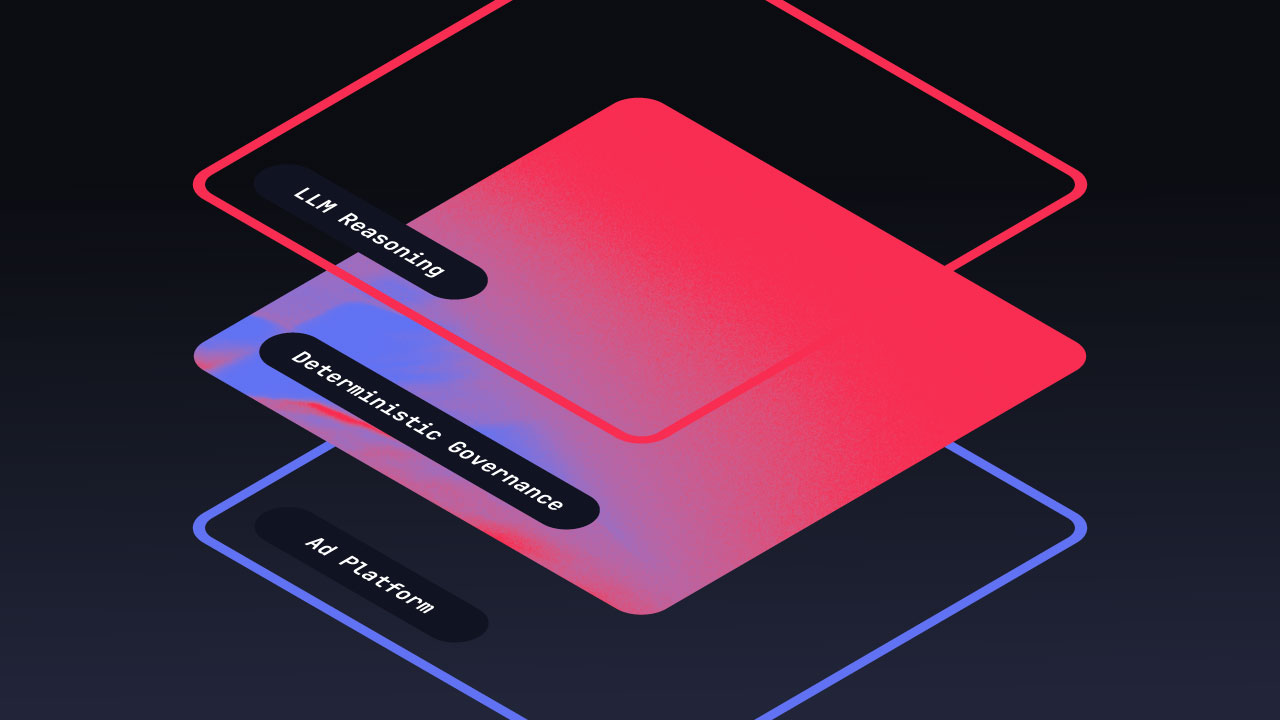
At the core of Fluency’s architecture is a deterministic governance layer that ensures the same outputs are delivered when given the same inputs—every time. This is what enforces every compliance rule and keeps agentic workflows auditable. Muse, Fluency's embedded AI, generates content and surfaces cross-channel insights but never touches live spend directly.
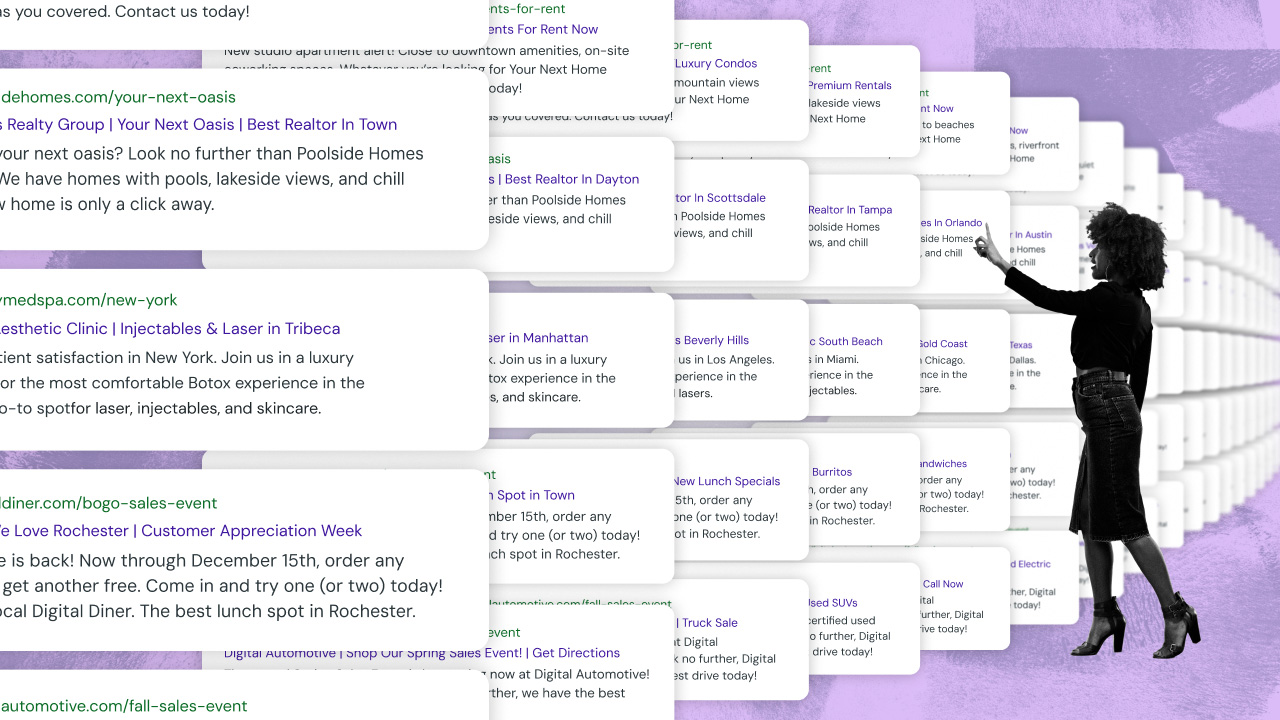
Fluency Blueprints connect real-time business signals (e.g., inventory feeds and CRM events) directly to live campaigns, using agentic workflows to update campaign parameters automatically as conditions change. It can perform these actions accurately and en masse for thousands of locations simultaneously.
What is the core difference between Synter and Fluency?
The core difference between Synter and Fluency is that Synter is designed for a single operator managing one ad account per channel, and Fluency is built for ad teams managing large workloads for hundreds or thousands of clients, accounts, or campaigns.
Because Fluency was built to handle large-scale ad account management, the system’s architecture enforces client approvals, brand governance, and budget guardrails across thousands of locations. This is managed by a governed layer that sits underneath any agent, human-directed or AI-directed, which ensures nothing touches live spend without passing through the same audited rules every time. Synter’s chat interface wires an LLM agent directly into ad platform APIs, giving a single operator control of agent actions and choosing between three agent autonomy levels.
That difference shows up most clearly in scale and proof. Synter has been out of stealth mode for less than a year, with early self-reported customer results. Fluency has been running deterministic agentic execution since 2017 and now manages nearly $3 billion in annual spend.
There’s also the matter of who each solution was built for.
When should you choose Synter?
Synter is the stronger choice when you only need to manage one ad account per channel. Synter is a good fit if:
- You're a solo marketer or founder responsible for managing one ad account per channel.
- You want a same-day, self-serve start with no contract.
- You don't need multi-location or franchise-level campaign structure, as you’re only running one ad account per channel.
- You're developer-forward and want to wire Claude, Cursor, or ChatGPT directly into your ad accounts through MCP.
- You want outbound prospecting and landing pages bundled into the same subscription as your ad execution.
- Your team is small enough that a single workspace, with approvals set and managed by one person, is enough governance.
When should you choose Fluency?
Fluency is the stronger choice if you’re running campaigns across hundreds or thousands of accounts and locations. If your problem is workload inflation as your advertising program grows, Fluency provides you with a scalable system of record everyone—including your clients—can trust. Choose Fluency if:
- You're managing 150 to 50,000+ accounts and need the ability to execute campaigns at scale without a proportional increase in headcount.
- You run multi-location or franchise digital advertising programs across multiple channels.
- Your corporate-compliant campaigns need to launch and update across hundreds or thousands of locations ASAP, simultaneously.
- Your team’s output is held back by swivel-chair fatigue: logging into every ad publisher separately just to set up the same campaign parameters three times.
- You need strictly enforced multi-stakeholder governance, brand compliance, and budget guardrails across every ad.
- Within the tool, you want a dedicated team to build and configure the right agentic infrastructure for your teams to have a fully running system instead of building it themselves from scratch.
Related Posts
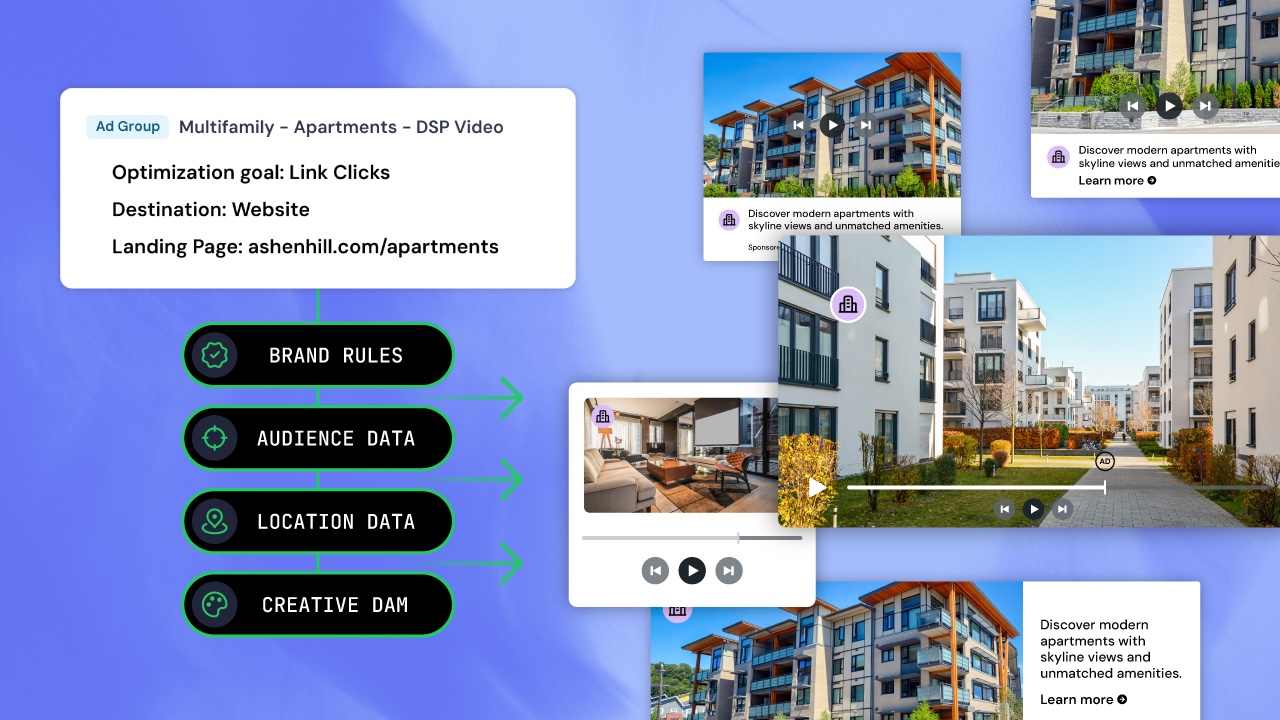
Agentic Programmatic Advertising for Multi-DSP Execution and Governance